Limit Disagreements In Between Neighbors
Boundary Disagreements In Between Neighbors A smaller sized area than that makes it challenging to stay on par with the turf between fences. Leaving only 1-- 2 feet in between a new and existing fence can allow weeds to grow uncontrolled without sufficient space to treat them. You can avoid this unnecessary trouble by leaving a little additional area next to your next-door neighbor's fencing. The best choices for structure near a next-door neighbor's existing fence are placing the new one right up versus the present one or leaving adequate area between the fences for someone to trim. Search for common ground both you and your neighbor can settle on for fixing, replacing, or preserving a fence. Not all next-door neighbors will certainly be pleasing and in arrangement with your strategy. Try to make all attempts to team up, yet if the fencing gets on your building, you may do as you please (once more, abiding by HOA if suitable). Legitimately, you can only set up a fence (or anything else) on your property, not your next-door neighbor's.
Problems For Hurting Trees
Just make certain to stay calm on your own; becoming angry will create incurable damage to your relationship with the neighbor, something an effective rental homeowner can not manage. The change stemmed from a homeowner who was exasperated because his neighbor cut down the invading limbs of the property owner's hemlock bush. The homeowner sued their neighbor looking for financial problems for the desecration of the bush. The owner was denied a recovery by the trial court since the next-door neighbor was only exercising their self-help solution. Often a regional municipal statute including the upkeep of personal property calls for the elimination of a tree that endangers a neighbor's residential or commercial property. In such situations the municipality can act to enforce a fine or safeguard a court order calling for elimination of the tree, however it is not urged to do so.Give An Official Notification
Apartment policies might likewise impose certain restrictions on what your neighbors can do. If they're violating a guideline about "peaceful hours," for example, the landlord has something details to enforce. The responsibility is reversed if the origins of a tree within the general public access uplift a walkway and produce a tripping risk. It is up to you to choose what analytic techniques make one of the most sense in your circumstance. You could try connecting directly with your neighbors concerning your worries, or making grievances in writing to the proprietor pertaining to the problem. It is up to the landlord to implement the regulations of occupancy in the building or complicated. But an easement additionally permanently affects your residential or commercial More helpful hints property rights. Use this list to decide whether to claim yes, bargain better terms, or suggest a various remedy (like a temporary certificate instead of a long-term easement). Next-door neighbor notice legislations require insect control business to notify you when a therapy is arranged nearby. In New york city, areas should "opt-in" and take on local regulations before the requirements work. Some New York locals might likewise require to provide notice before chemical applications outside their homes. The objective is to handle concerns with quality, not conflict. A full next-door neighbor notice must consist of fencing details, installation dates, and your contact details to provide openness and welcome repair commitments comments. Timing your next-door neighbor notification properly is equally as crucial as what you say. Offering ample notice lionizes, gives neighbors time to prepare, and permits any type of information or worries to be attended to before installment begins. Most of the times, reaching out 7 to 14 days before building starts is a recommended standard. Prior to alerting next-door neighbors, evaluation regional zoning regulations, HOA demands, and residential or commercial property limits to guarantee your fencing strategy follows Colorado Springs and Pikes Optimal area guidelines. What begins as late-night noise, minor intimidation, or on the internet comments can rapidly spiral right into a significant problem. Harvey Barbee is a lawyer with 15 years of legal experience in family law, criminal legislation, injury, and civil litigation. He finished with a bachelor's degree in political science and a juris physician from the University of North Carolina College of Regulation. He's an energetic participant of the North Carolina State Bar, North Carolina Bar Organization, and Greensboro Bar Association. Videotape the day, time, and information of each case as it occurs. Note exactly how you really felt and define any disturbances to your rest, job, or every day life. Gradually, these entries create a clear timeline that reveals the ongoing nature of the next-door neighbor harassment. Ask neighbors or site visitors who saw or listened to the harassment to give declarations. Their independent accounts validate what occurred and include weight to your documents. If you have to go to court, these people might need to affirm in support of your instance.Just how much notification must I give a lessee?
You require to offer your occupant the best notification duration. You have to offer a minimum of the minimum notice for the grounds you''re using. This is typically at least 2 months, yet can be approximately 4 months. You can provide greater than this if you would love to.

- It's not, however, a warranty of total silence and solitude.
- It can result in helpful input, smoother sychronisation, or even shared expenses in the case of a border fencing.
- However it might additionally be that the tenant and neighbor simply can't get along.
- Being aggressive is the most effective means to avoid occupant problems regarding sound.
- Second, it develops a record that the next-door neighbor had real notification of the unsafe problem.
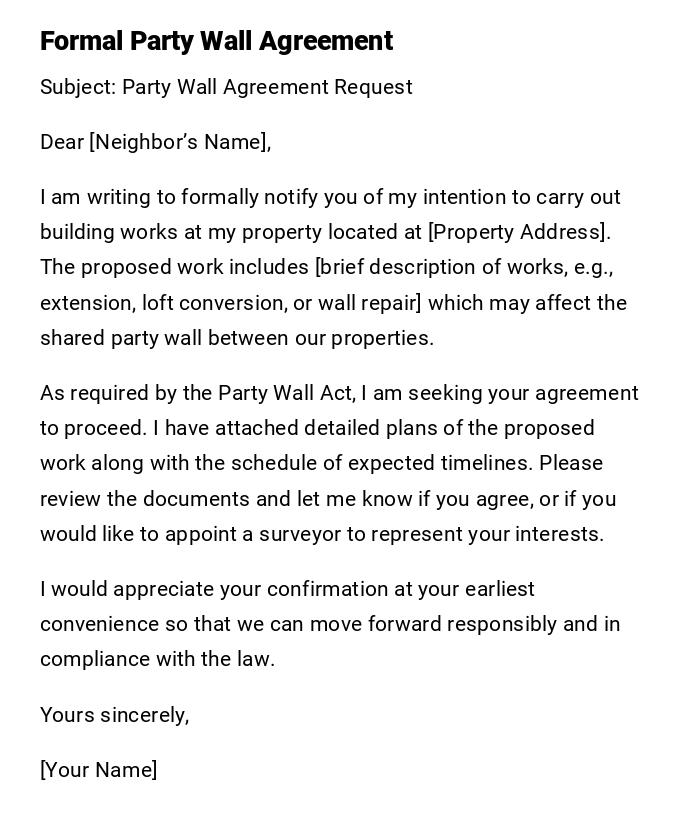
Example Notification Letter (Key Elements)
Instances would be walnut or cherry in high demand by furnishings manufacturers. Abutting homeowner have the legal responsibility to maintain the access devoid of greenery expanding outside of the right-of-way that obstructs the view of vehicle drivers at intersections. Typically, this would involve branches expanding into the right-of-way. Via a range of methods, the public can obtain a right of way for public traveling. The activities of these utilities are regulated by guidelines imposed by the Pennsylvania Public Utilities Commission (the "PUC"). Trees within the right-of-way of a public street present problems peculiar to the duties of joint possession.